The Challenge: Transforming Trash into Tools
Lunar exploration requires reducing upmass and maximizing resource efficiency. NASA estimates upwards of 10,000 kg of annual cargo delivery to the lunar surface during sustained operations[2], with roughly 1,000 kg consisting of packaging and stowage waste. At an estimated cost of $100,000/kg to reach the Moon[3] (at least), turning packaging waste into usable hardware is both an economic necessity and a mission-critical capability.
From the potential lunar waste materials NASA identified for this challenge, the re:3D team selected thin-film plastic waste such as polyethylene (PE) reclosable bags and multilayer polyamide/PE/EVOH rehydratable food pouches for recycling via additive manufacturing. While traditional 3D printing often requires clean and uniform filaments (fused filament fabrication / FFF printing) or plastic pellets (fused granular fabrication / FGF printing), printing using feedstock made from mixed waste can be a challenge. First, polyethylene and polyamides (nylon/PA) are immiscible (i.e., they don’t easily mix together – like oil and water) and are difficult to blend without phase separation. Next, polyamides are highly hygroscopic and readily absorb moisture from the environment, causing foaming from steam during extrusion if the feedstock is not properly dried. Finally, lightweight, shredded film entangles easily and lacks the flowability of plastic pellets or flakes usually used in FGF 3D printing systems. These material and physical processing challenges apply to other recycling efforts as well, not just FGF printing, which is one of the many reasons film recycling capabilities are limited in North America (only ~13% is being recycled, compared to total consumption)[4].
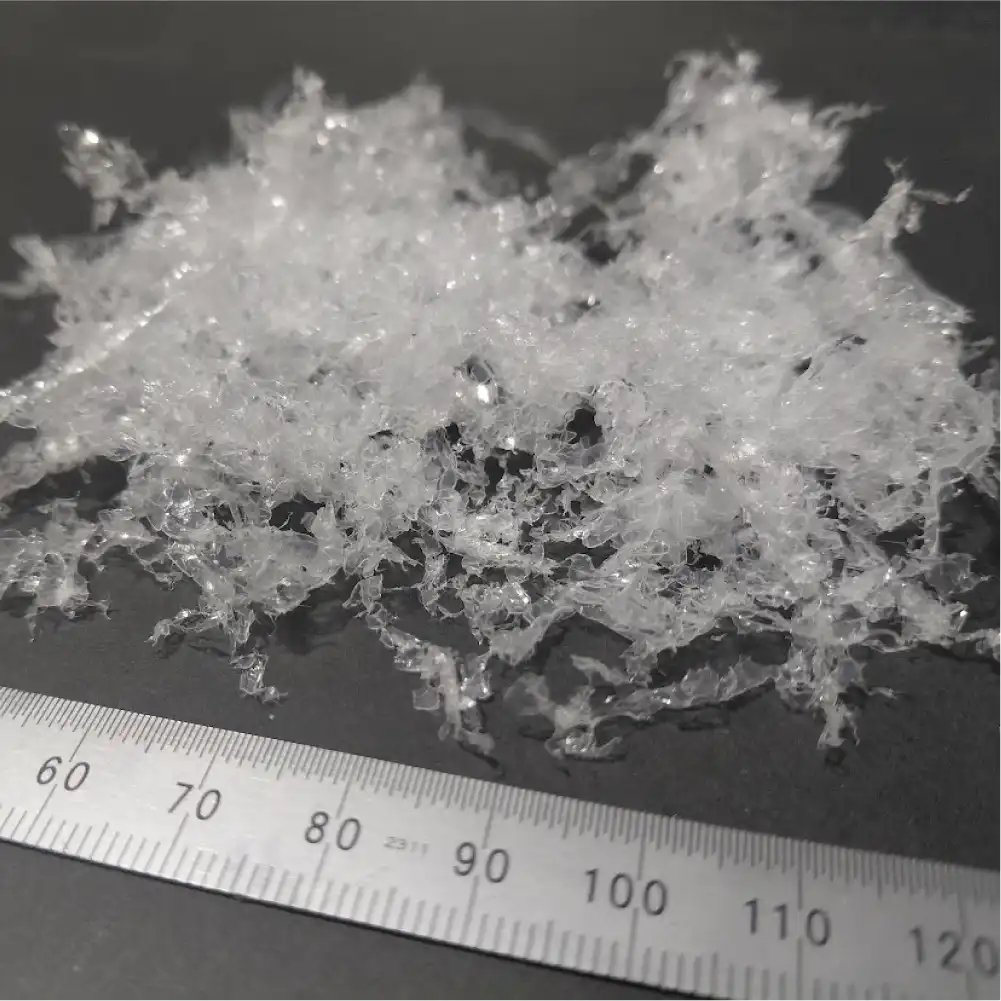
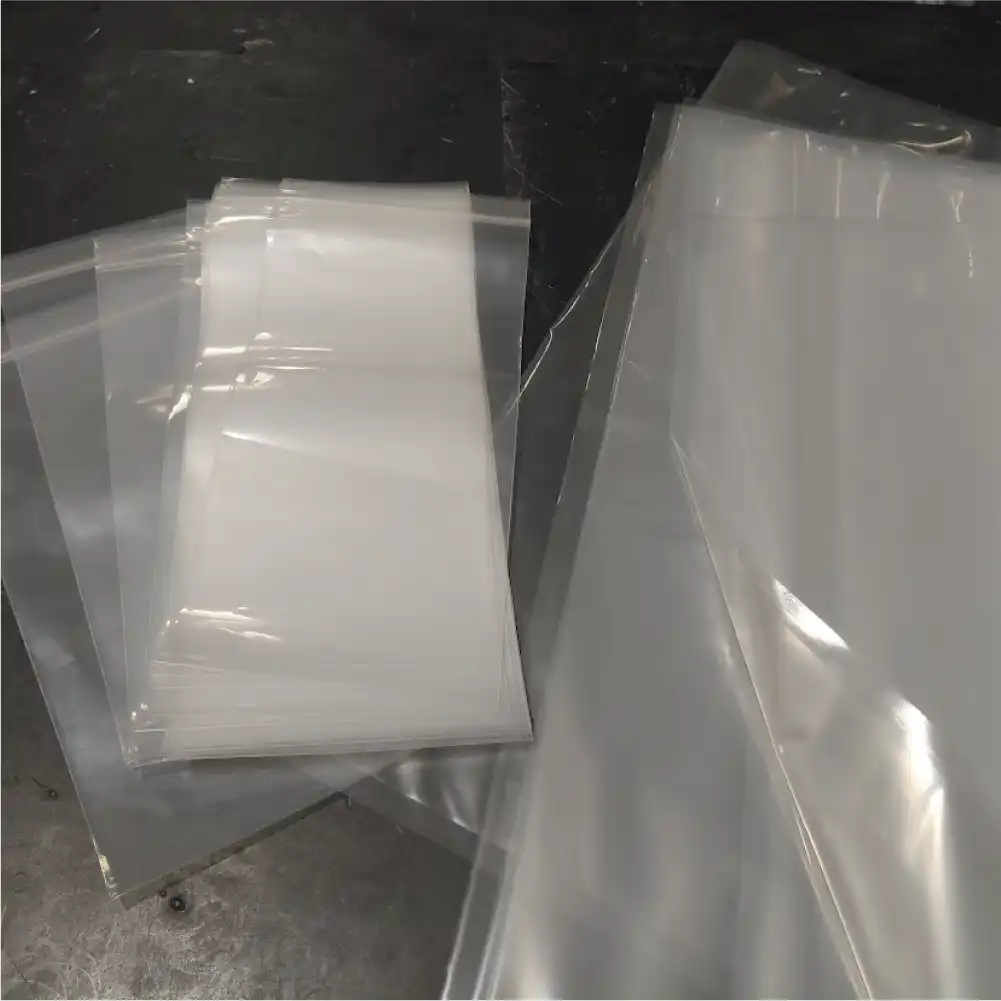
Plastic bags and film turned into shredded 3D printing feedstock.
The Innovation: LunaBotXS
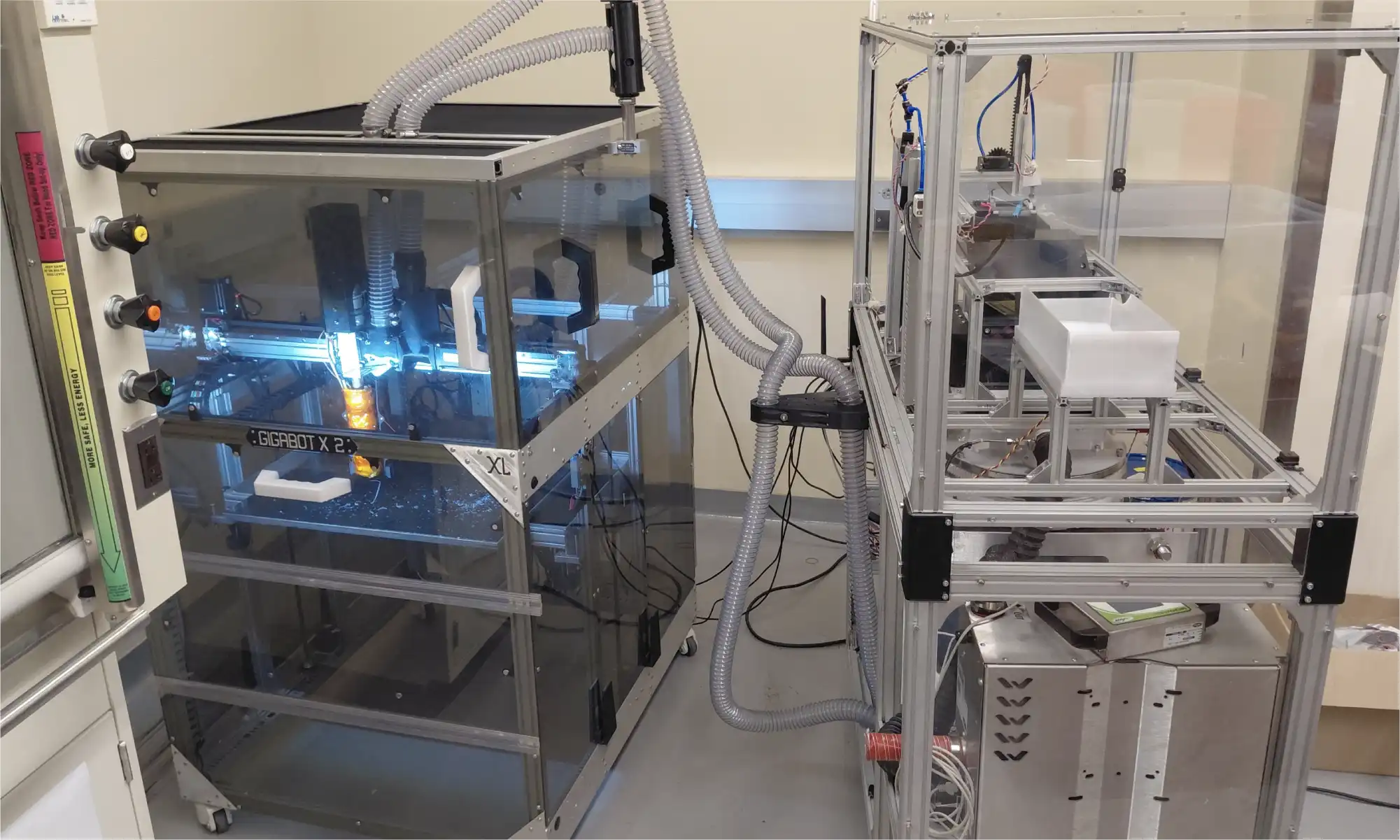
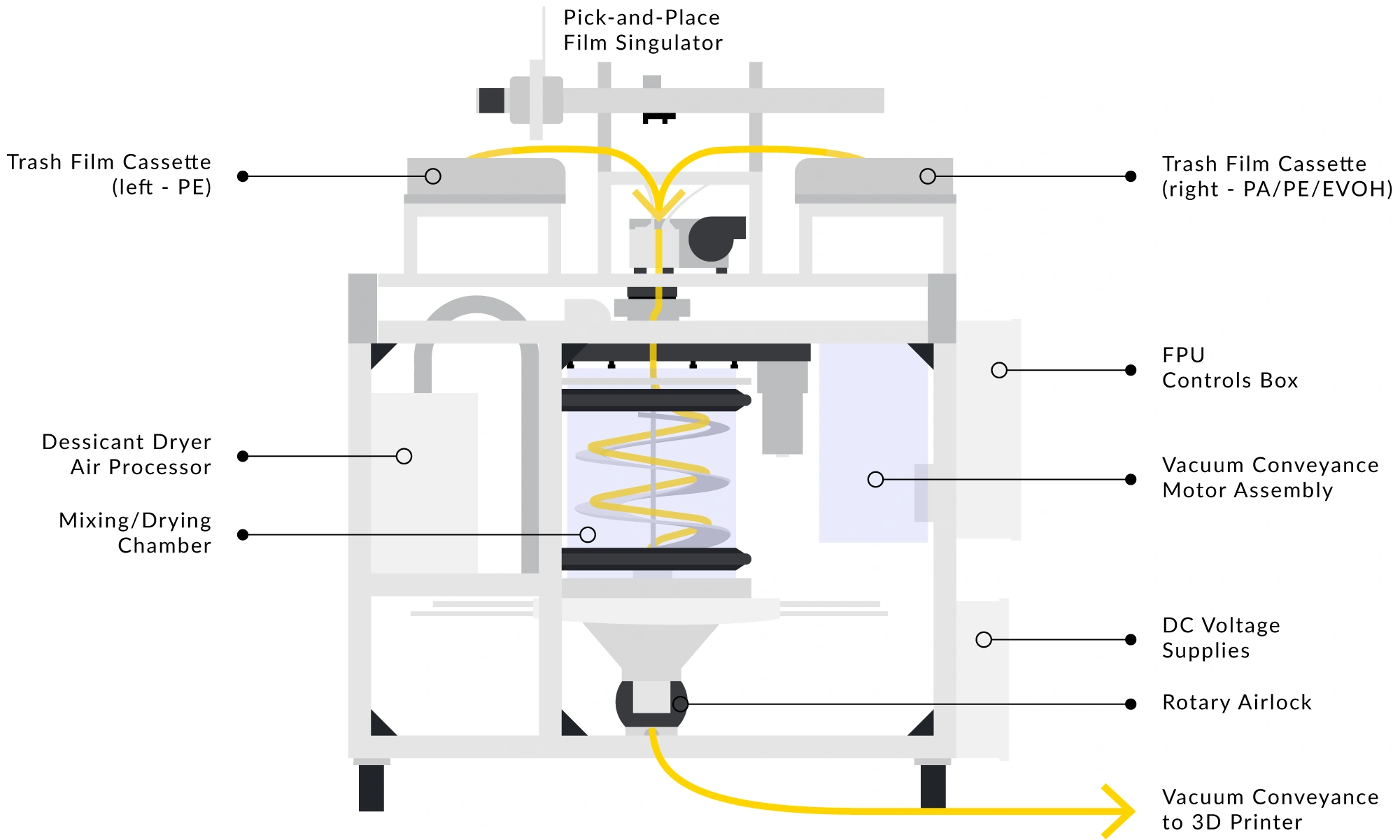
- Singulation and Size Reduction: A pick-and-place assembly with vacuum suction cups singulates individual film sheets from pre-loaded cassettes and transports them to a shredder mechanism for film size reduction. Singulation precisely maintains target blend ratios, such as 80% PE reclosable bags to 20% PA/PE/EVOH rehydratable pouches – a mass ratio which the team found to be acceptable for blending the materials via FGF extrusion.
- Mixing and Desiccant Drying: The film shreds fall into a mixing reservoir with a shaftless tapered screw conveyor that lifts, drops, and homogenizes the shreds. Concurrently, a desiccant air dryer system (repurposed from a Conair MicroWheel MW1) circulates heated and dehumidified process air through the chamber to reduce moisture levels in the PA/PE/EVOH portion of the feedstock and prevent extrusion foaming.
- Vacuum Conveyance with a Rotary Airlock: Dual sliding gates drop the dried feedstock into a custom rotary airlock, which meters set volumes of film shreds into a vacuum suction line driven by a precision-controlled BLDC blower. The vacuum line delivers shreds to a customized ‘crammer’ at the printer’s extruder.
- Closed-Loop Crammer: The auxiliary feed mechanism (i.e., the ‘crammer’) contains an auger screw which translates and compacts the film shreds into the FGF extruder barrel. Motors driving the airlock and crammer operate in a closed-loop to maintain feedstock availability and torque levels on the crammer screw to provide appropriate levels of material compression into the printer’s extruder, ensuring consistent feed without jamming or material starvation.
- Fused Granular Fabrication (FGF) Printing: The GigabotX printer’s single-screw extruder melts, mixes and prints the film shreds layer-by-layer onto a specialty print surface designed for polyolefins, which limits part warping without the need for a heated bed. A combination HEPA and active-carbon filter (a 3D PrintPro 3 manufactured by Donaldson BOFA) is incorporated into the GBX printer to address any concerns of volatiles or ultrafine particles which may be released during the printing process.
LunaBotXS System Performance Specifications (for a nominal 500 g batch of mixed waste)
| Mass Efficiency (printed mass output) / (waste mass input) | 65–75% |
| Power Efficiency (printed mass output) / (total energy consumed) | 100–140 g/kWh |
| Printing Mass Throughput | 120–150 g/hr |
| Total Cycle Time Includes shredding, desiccant drying and printing | < 360 minutes |
| Peak Power Demand | ~1100 W |
| Physical Footprint Includes FPU and GBX printer | 1.5m × 1.3m × 1.7m 260 kg |
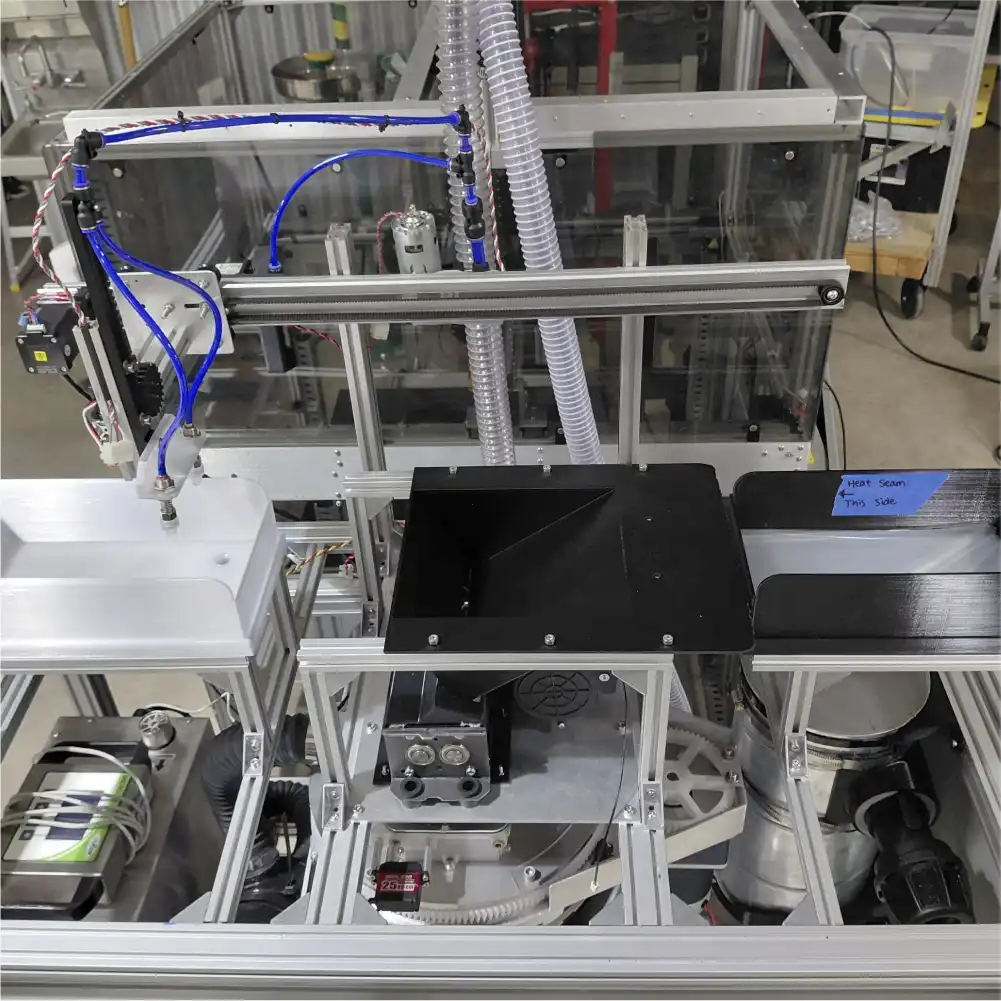
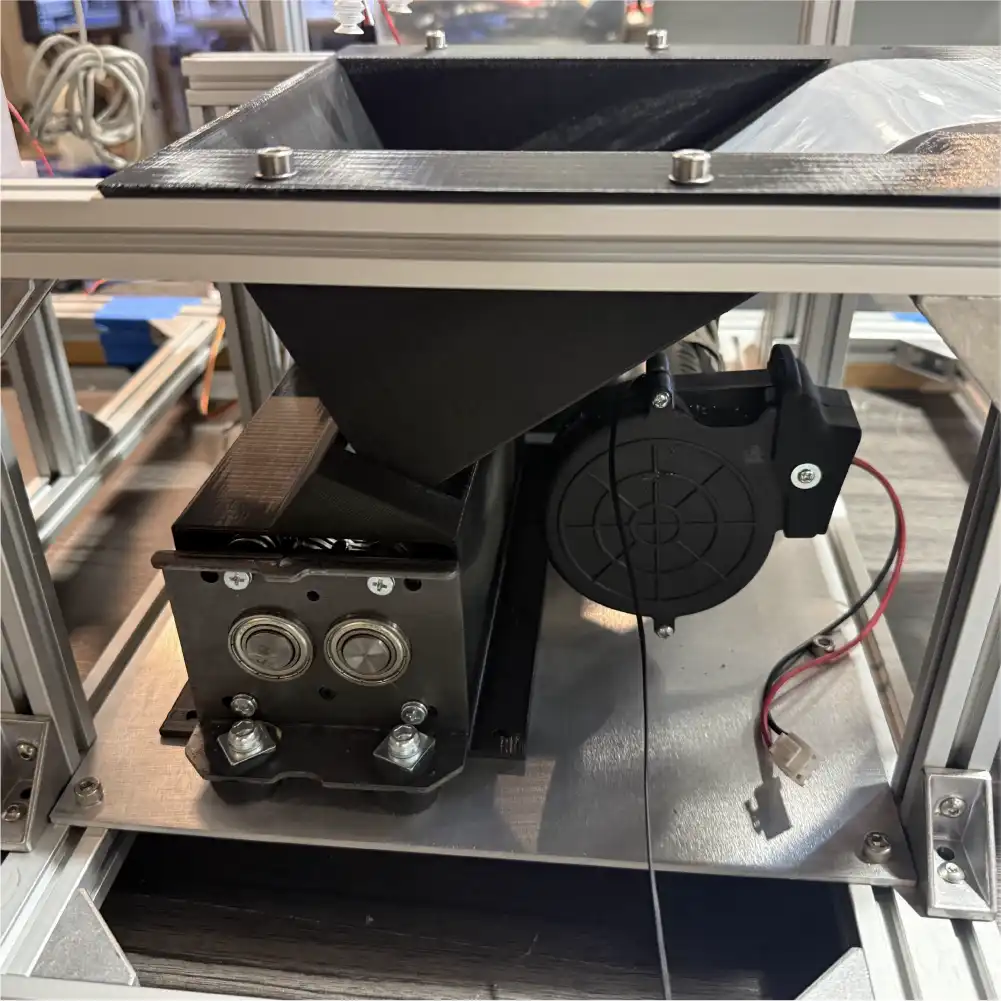
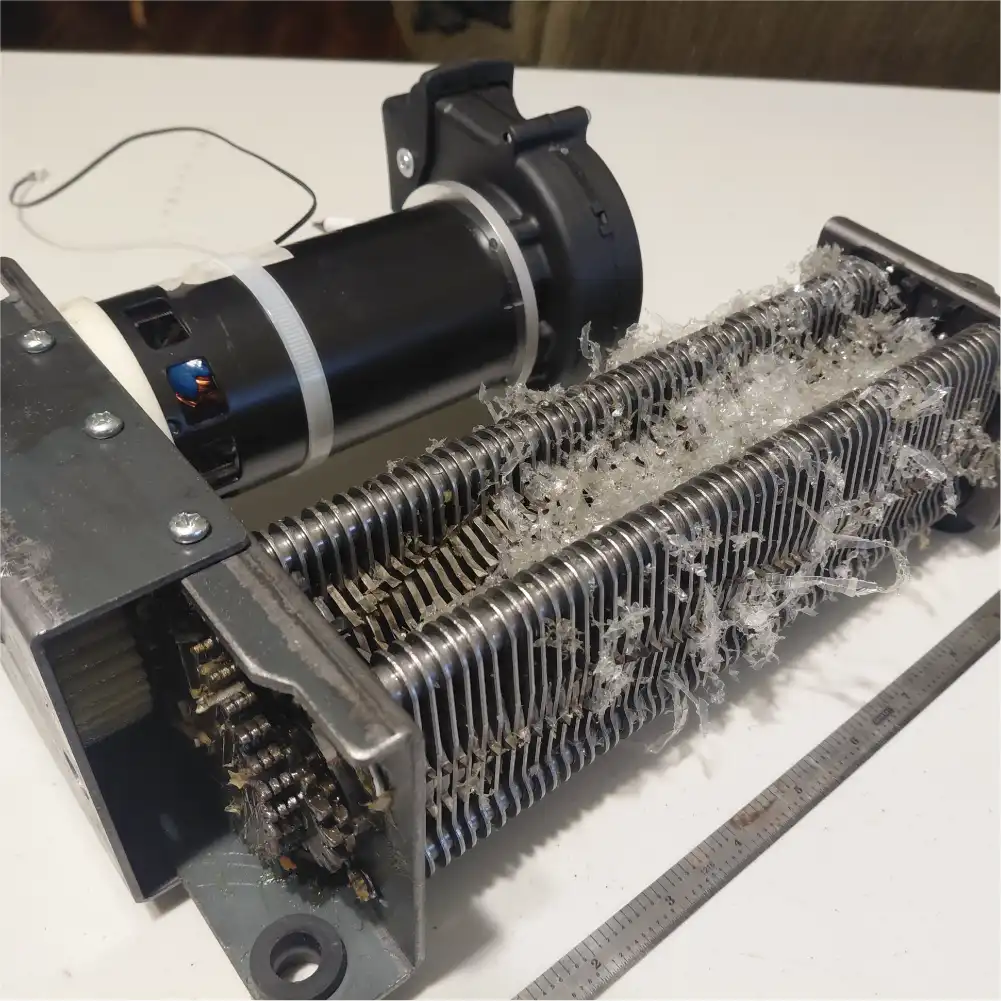
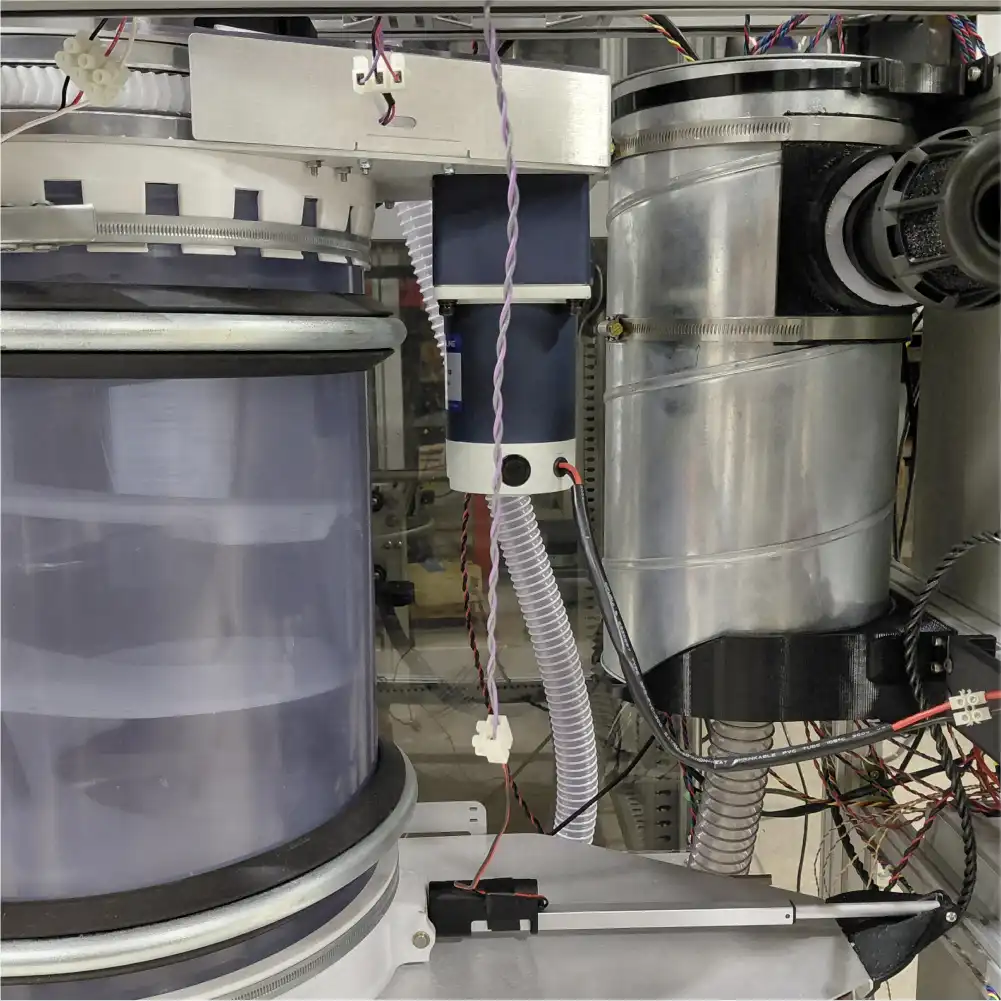
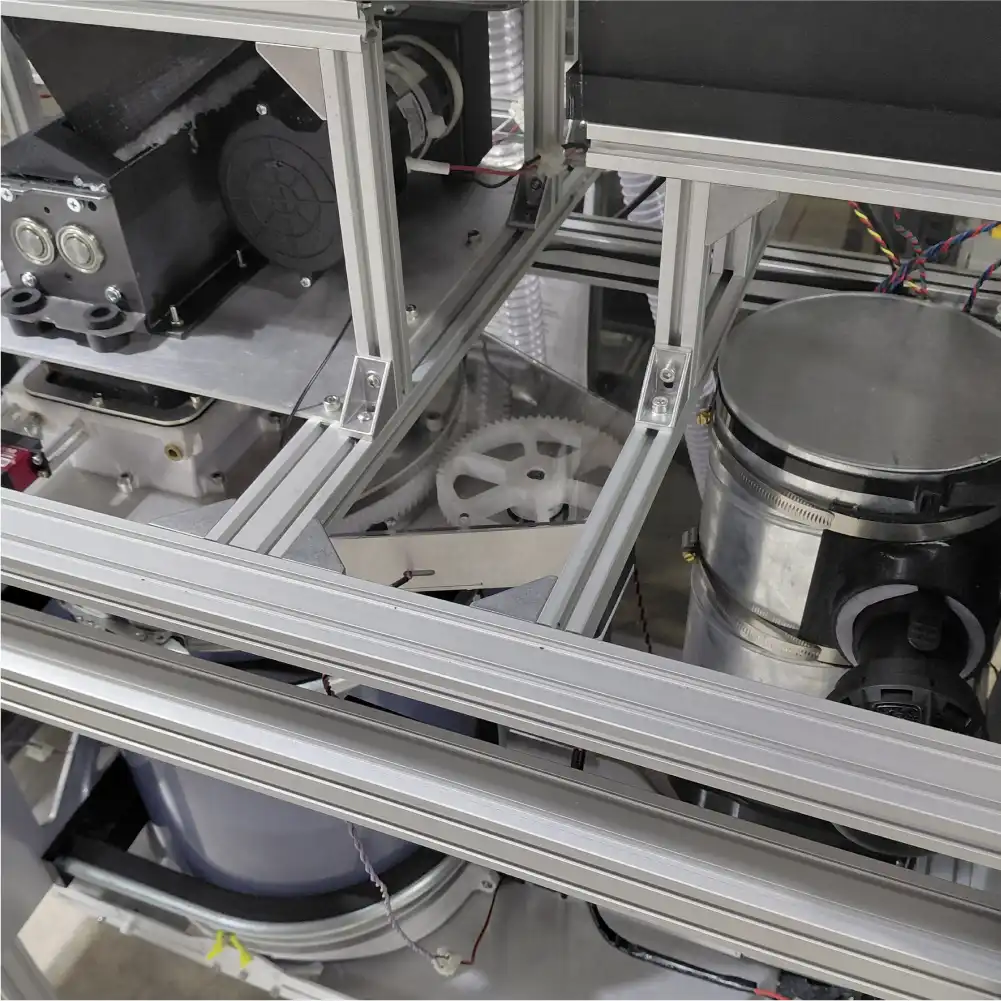
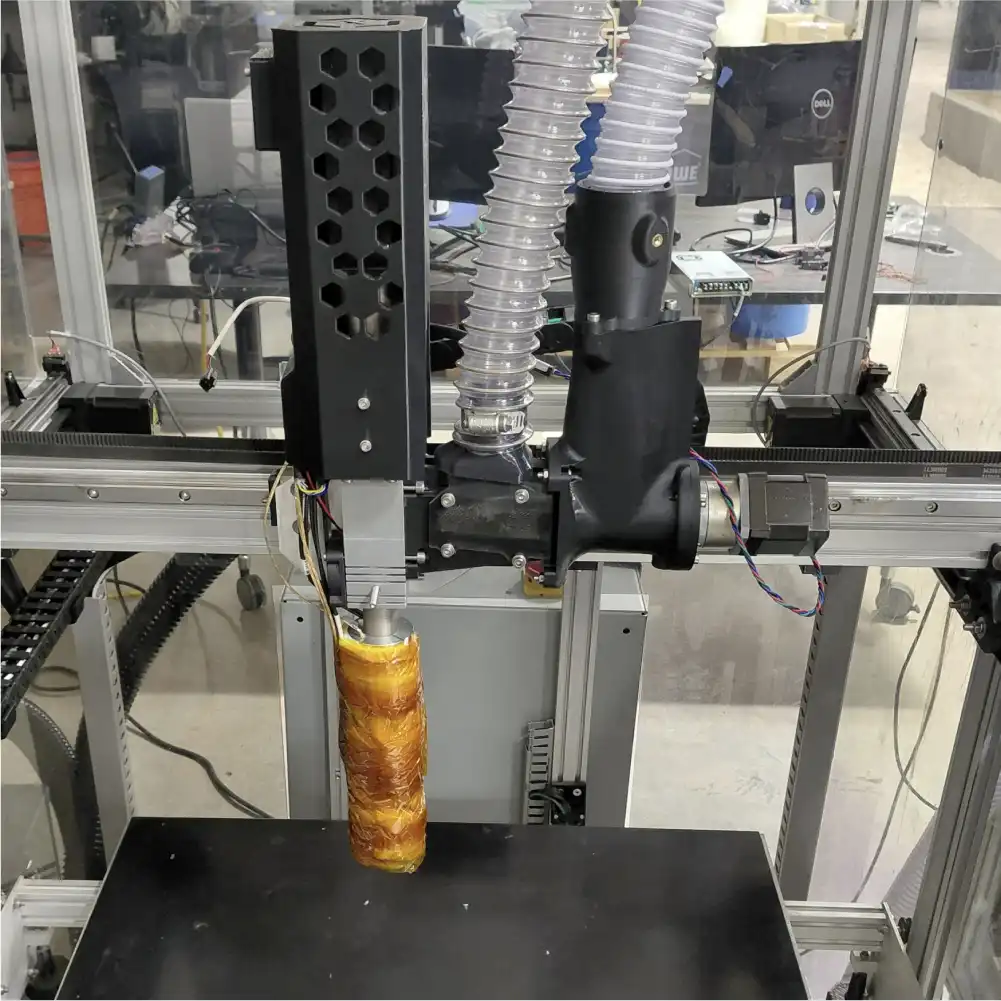
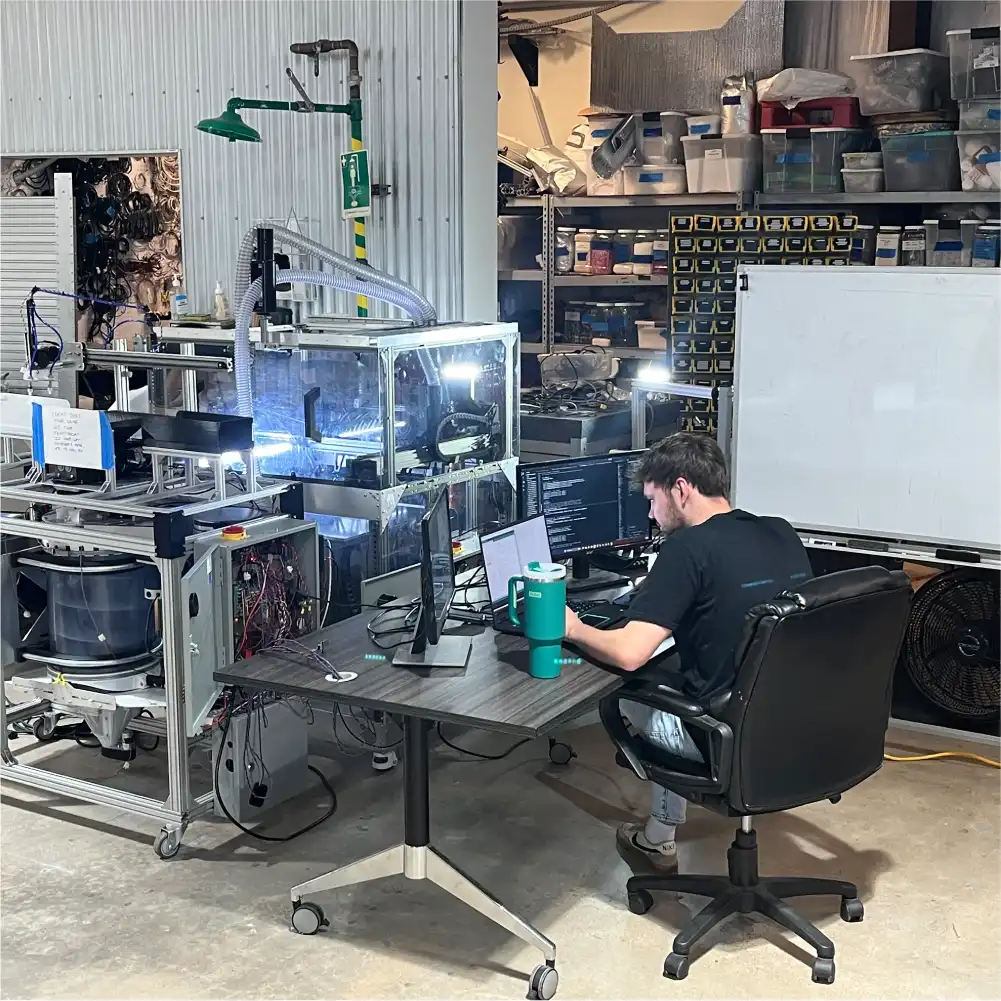
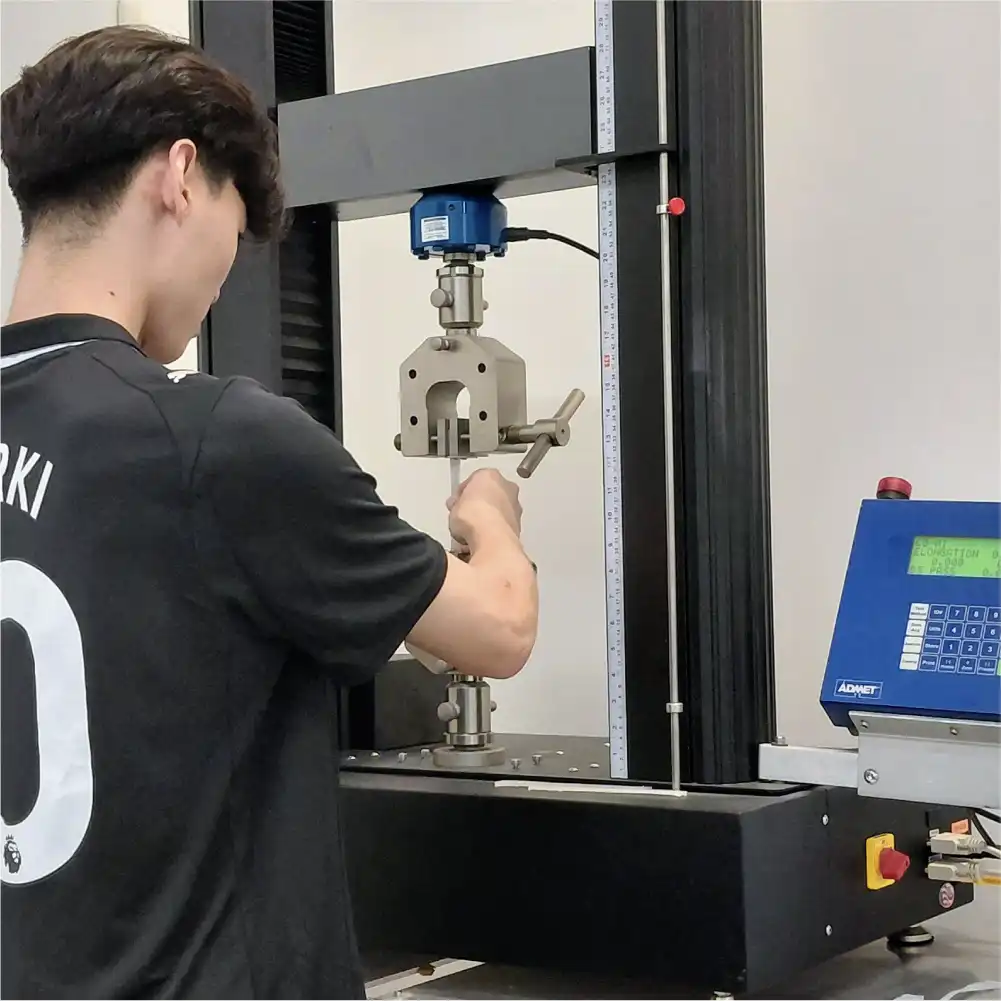
Building and testing the LunaBotXS at re:3D’s Austin headquarters.
A video of the LunaBotXS in action is available on re:3D’s YouTube channel:
Usable Outputs: What Was Printed
To determine what hardware would be most valuable on a lunar base, we interviewed retired NASA astronaut Sunita “Suni” Williams (US Navy Capt., Ret.). Drawing from her 608 days of spaceflight experience and training on space shuttle and International Space Station (ISS) systems, Williams suggested that toilet components would need to be replaced on a regular basis during lunar habitation due to wear and corrosion. She also recommended printing tools or assembly aids, along with consumable scientific supplies.
- Guided by this feedback, the LunaBotXS was used to print a suite of practical end-use items, including:
- Urine Funnels: Notional urine funnels based on Space Shuttle Waste Collection System (WCS) designs.
- Modular Strut Connectors: 90° and tetrahedral corner joints that combine with metal struts to form habitat interior frames or dividers.
- Sample Scoops and Shovel Heads: Tools for handling regolith or lab materials.
- Hydroponic Kits: Watertight trays, seedling pots, and grid spacers to support plant research systems.
- Water Manifolds: Multi-outlet manifolds for distributing fluids in hydroponic setups.
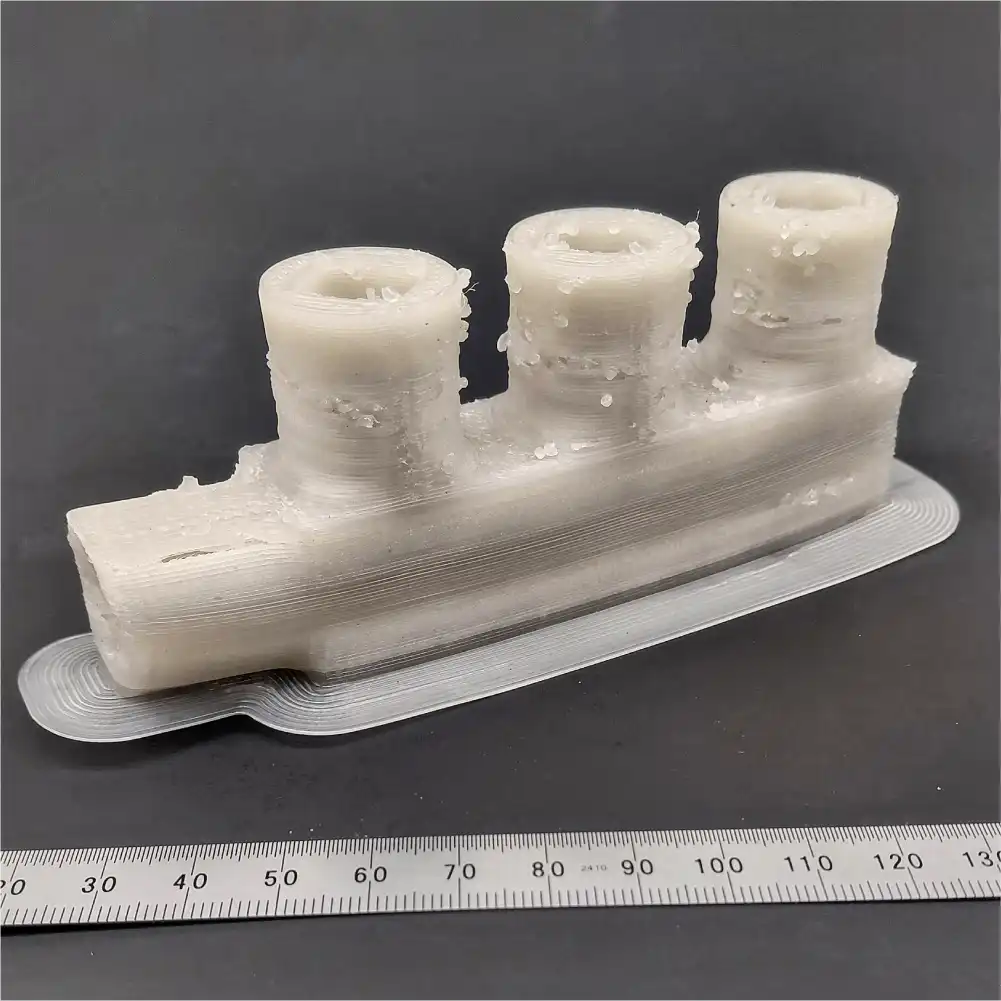
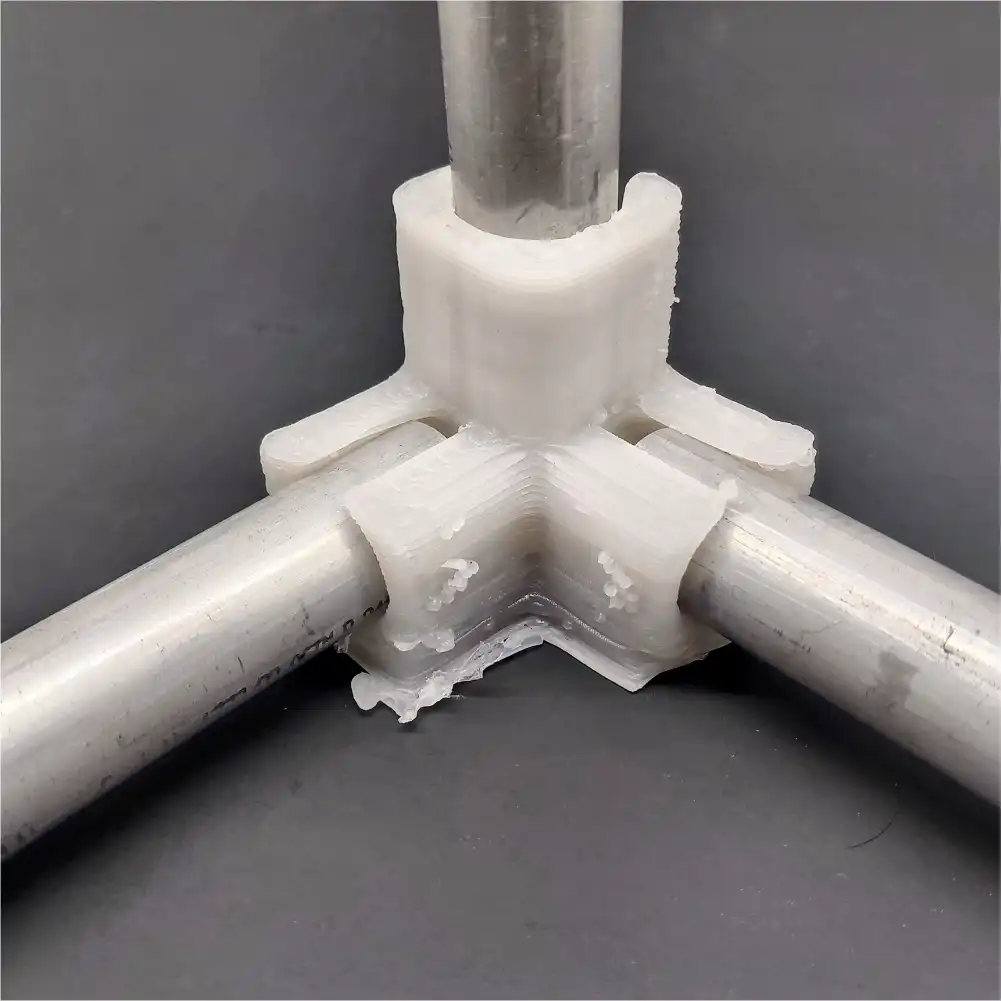
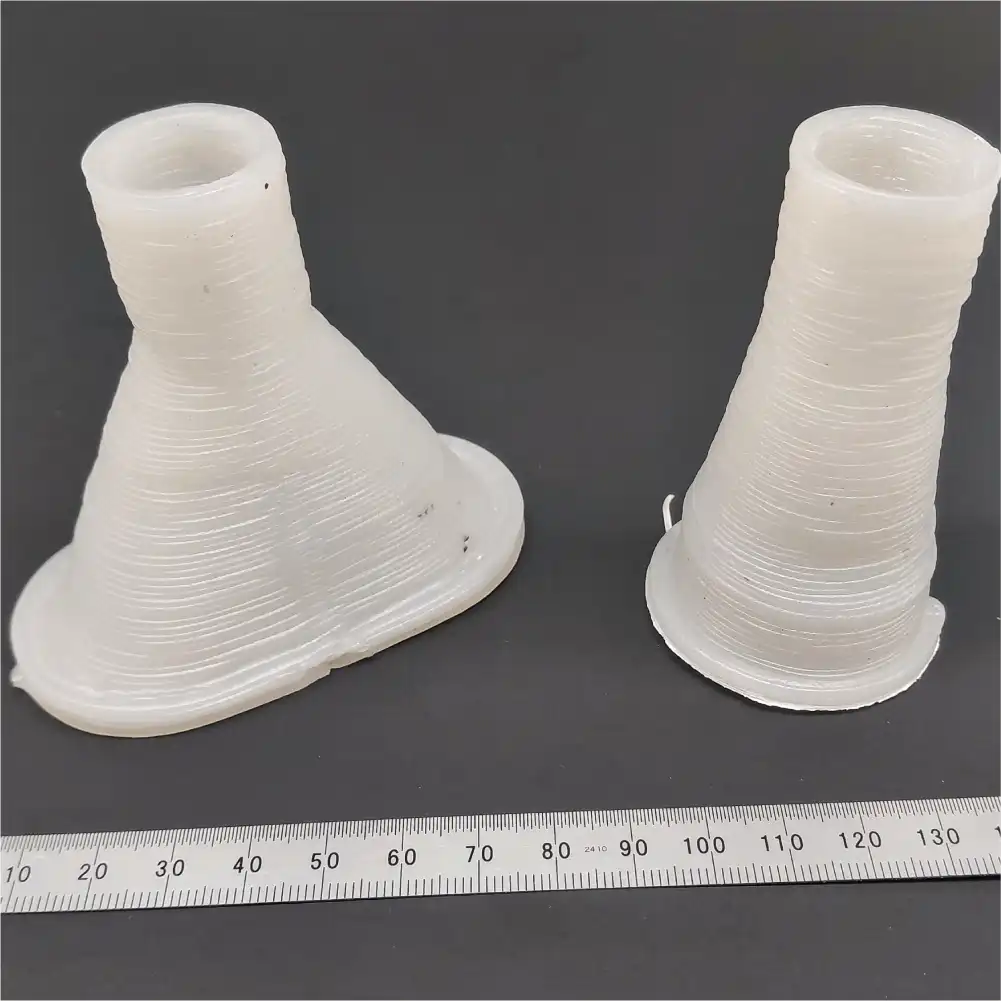
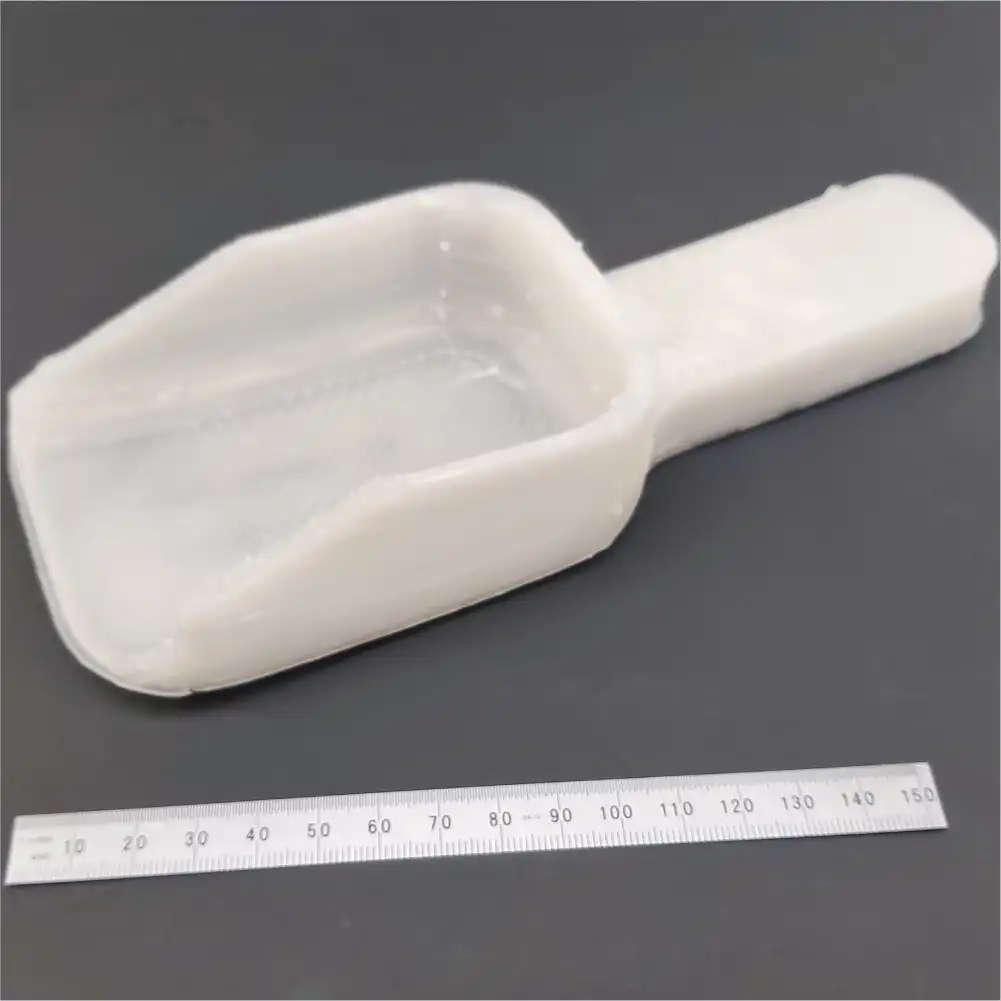


Useful articles printed on the LunaBotXS system from plastic film waste.
The Road to Tuscaloosa
Since 2022, re:3D has been working with NASA to investigate on-orbit waste streams available for recycling, and has developed a low-SWaP (size, weight and power) system to recycle space logistics foams using the company’s printing technologies. That system, called the “GigabotXS”, processes bulk foam into useful end products and is tracking for microgravity testing through a campaign of parabolic flights within the year.
re:3D passed on submitting a proposal to Phase I of the LunaRecycle Challenge so as not to conflict with the GigabotXS work. During LunaRecycle Phase II, however, re:3D reconsidered the alternative waste streams available in the challenge and the potential for commercialization and technology advancement – ultimately deciding to make a late run at a solution during the Milestone Round. In less than six weeks, the team brainstormed and prototyped methods for processing plastic film waste in the company’s commercial GigabotX printer. This design sprint resulted in a winning proposal which earned a $50,000 Phase II Milestone Award, advancing re:3D as one of 16 finalists to the Final Demonstration at the University of Alabama in Tuscaloosa, Alabama[5].
While everyone at re:3D contributed to the success of this project, the core LunaBotXS team included Patrick Ferrell (Team Lead), Eric Gohl (Hardware), Chris Hong (Materials), Mitchell Mashburn (Software and Controls) and Samantha Snabes (re:3D’s Co-Founder and CEO / Team Cheerleader), with additional major technical contributions from Taylor Boutté and Trace LaRue.

Final Demonstration Round
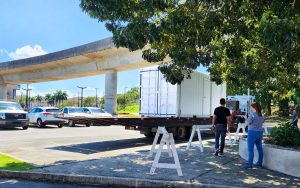
In August 2026, the team delivered the LunaBotXS to the University of Alabama and had a day to assemble, troubleshoot and perform a safety check of the system. The following day, the LunaBotXS successfully demonstrated automated processing of 500 g of plastic film waste by performing size reduction, mixing, and drying with minimal operator interaction. Following the demonstration, NASA judges took select printed components, including a notional urine funnel and a sample scoop, for display and further review at NASA Marshall Space Flight Center. On the final day of the competition, the team set up the FPU, the closed-loop crammer and sample printed parts for public display at the Technology Showcase prior to the award announcements.


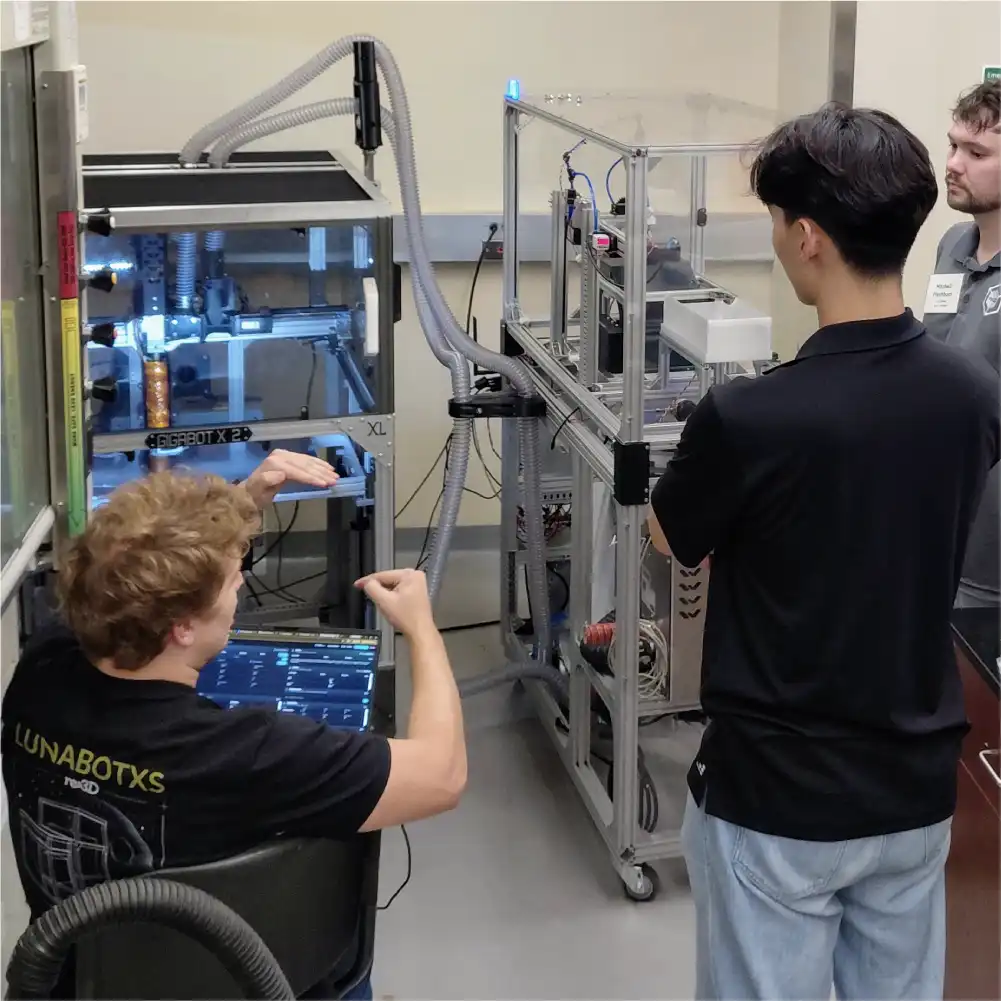


Final Demonstration and Technology Showcase at the University of Alabama.
The Phase II competition brought together top innovation teams from across the country to compete in the prototype hardware and digital twin tracks. The varied technologies were impressive and the competition was tough. We were pleased with the performance of the LunaBotXS but ultimately didn’t win any of the money prizes[6]. Our friends on MIT’s Team CERBERUZ captured first prize for both the prototype and digital twin tracks with their multi-material processing architecture. Terasynth earned second place for their prototype, and Team Lovegrove from Bob Jones University was recognized for Most Trash Types Recycled. Penn State’s RECLAIM team received the Most Innovative award for their novel thermal breakdown and repolymerization process, while Cislune’s CRAFTER took home Highest Mass Efficiency. Since only 1st and 2nd place winners were announced, we’re taking that to mean we tied with the other excellent teams for 3rd place overall!
A brief video recap of the LunaRecycle Challenge was published on NASA MSFC’s YouTube channel:
NASA LunaRecycle Challenge Finale Recap
While the trip to Tuscaloosa didn’t result in any competition prizes, the 1,500-mile road trip and week-long stay in Alabama was a great opportunity for bonding over meals, video games, making parking lot repairs to the LunaBotXS and patronizing the local quirky guitar shop. It also gave the ‘Away Team’ a chance to explore the US Space and Rocket Center in Huntsville, Alabama, and tour NASA’s Marshall Space Flight Center with our GigabotXS stakeholders and collaborators. All-in-all, it was a great way to finish out the competition.
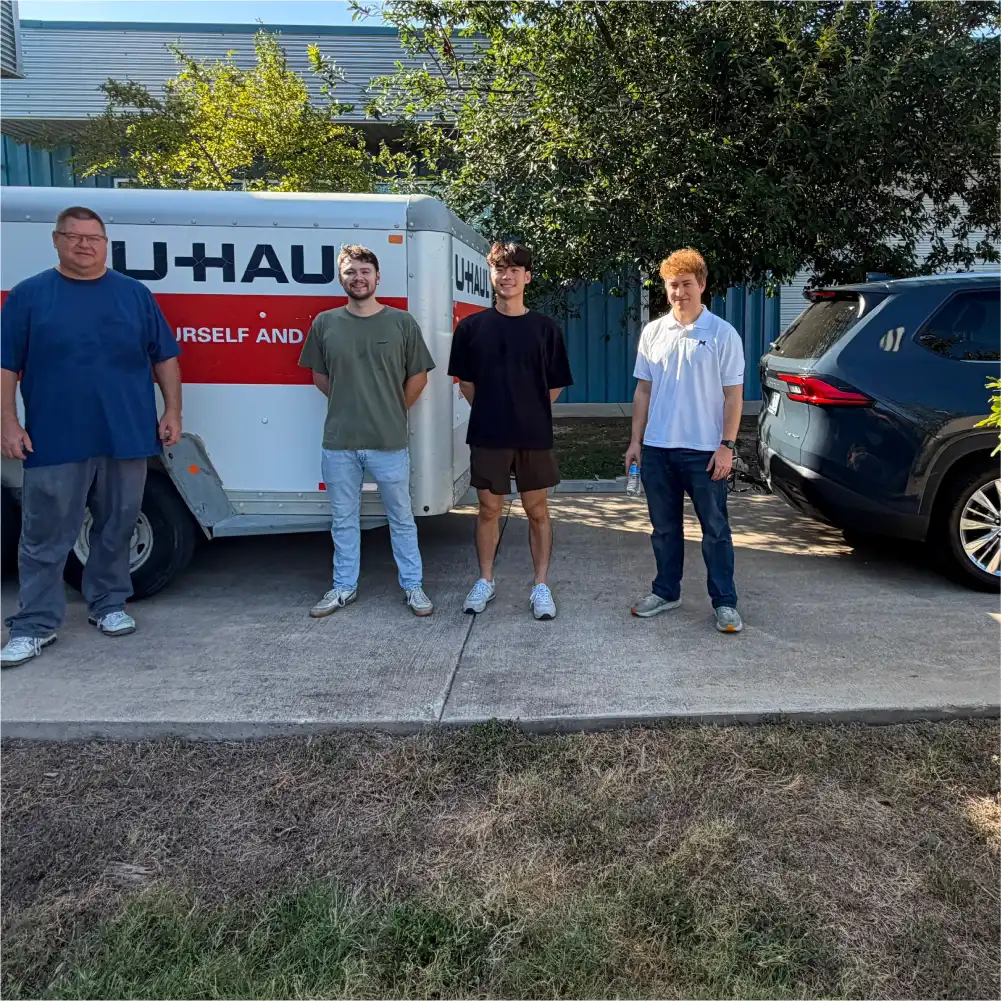
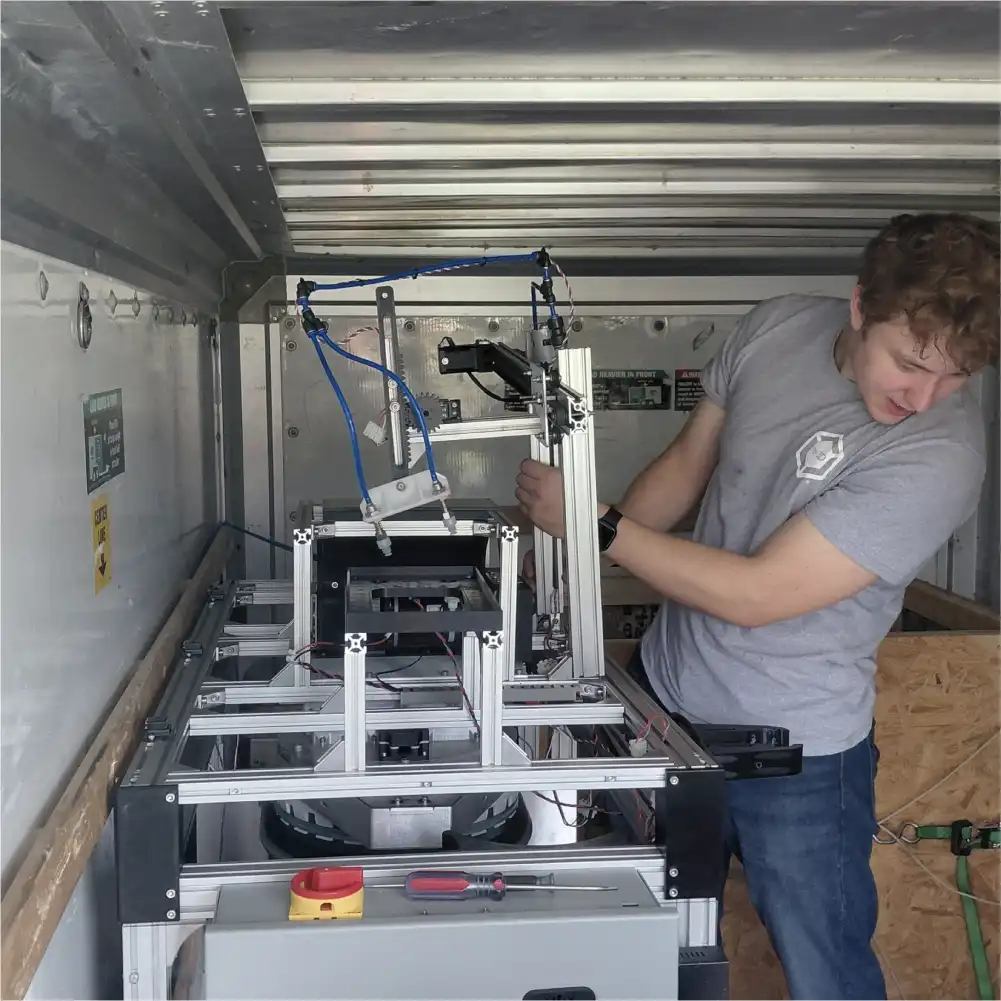
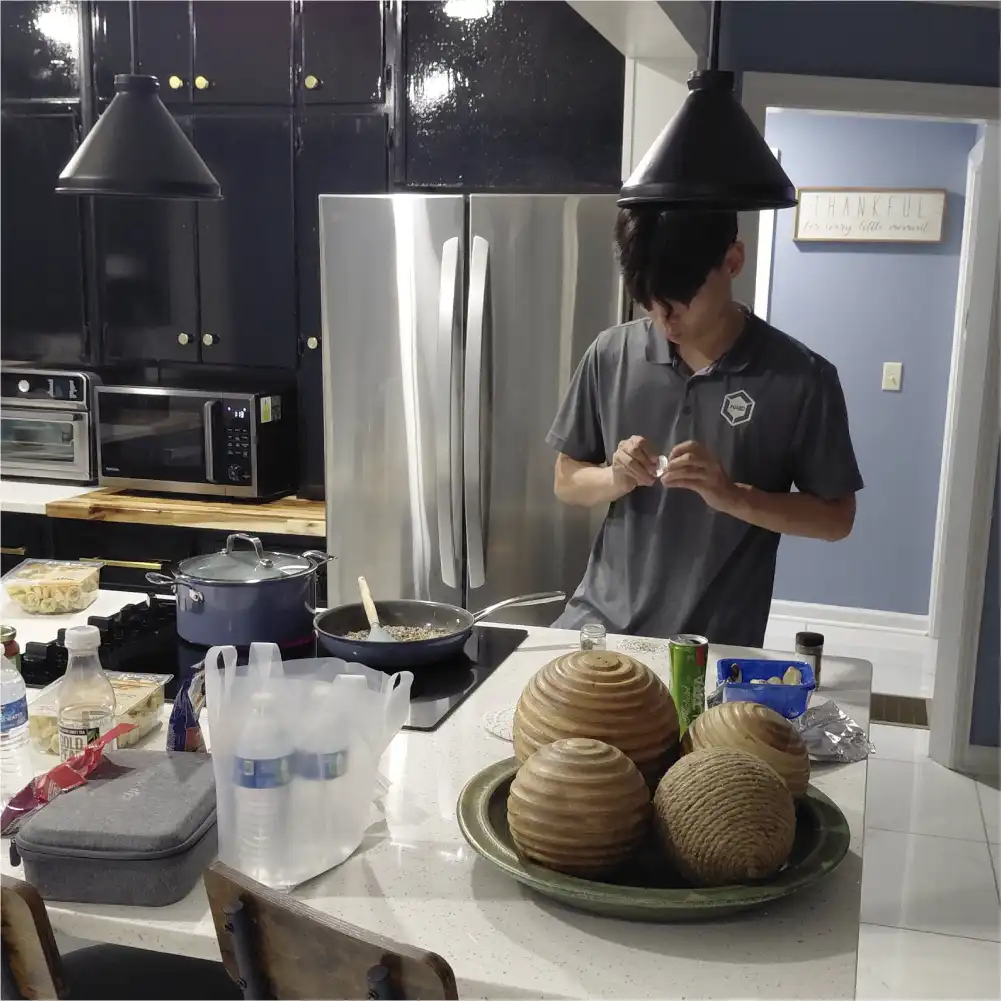
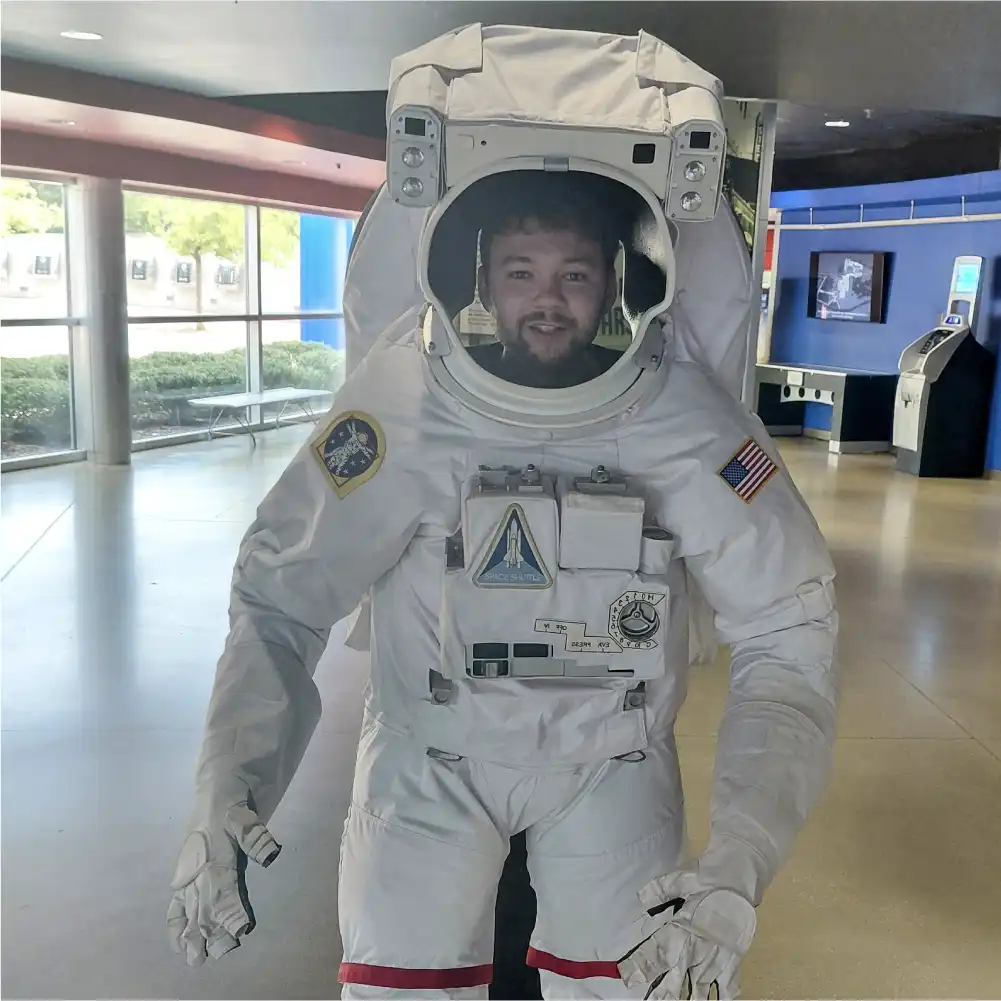

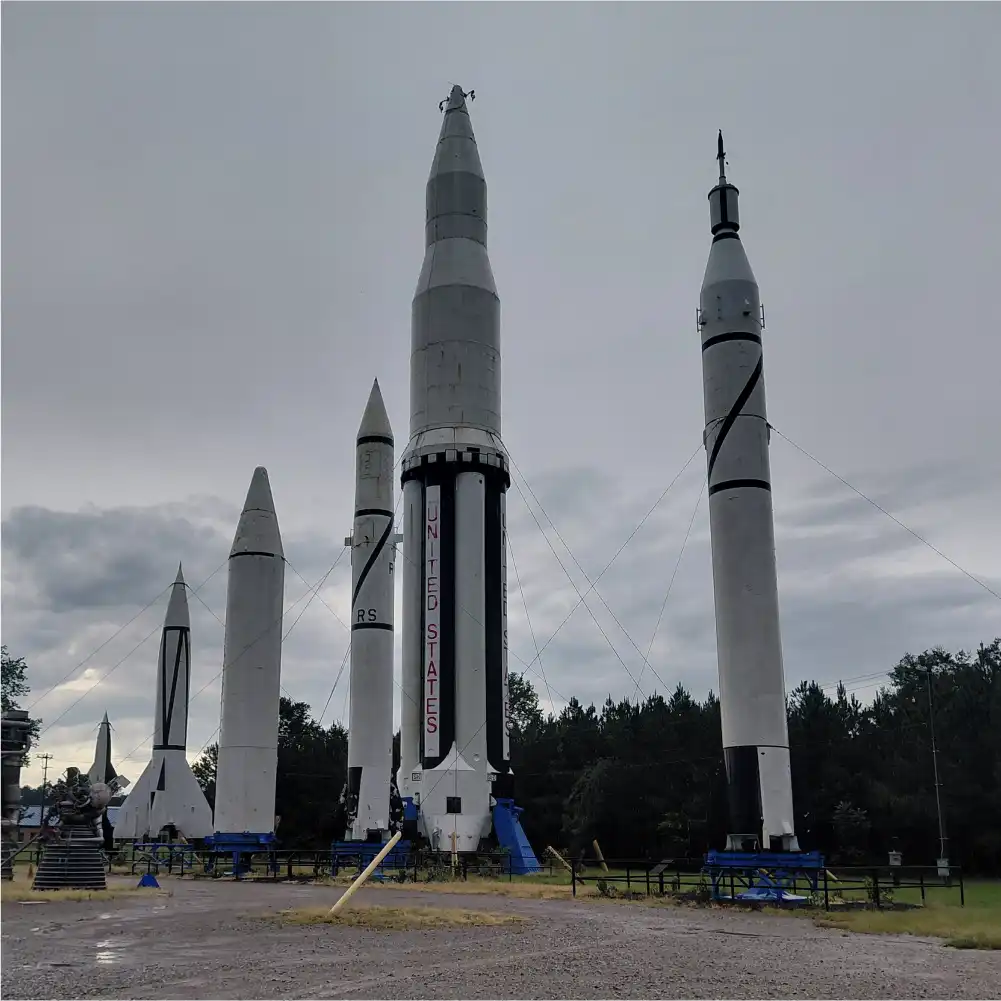



The Tuscaloosa road trip provided opportunities to relax at the end of the competition.
Looking Ahead: Expanding Recycling On Earth and In Space
The technologies developed for the LunaBotXS offer dual-use benefits addressing key commercial gaps in terrestrial and off-planet recycling where small- to mid-scale processing of polymer films is unavailable. For commercial space logistics, they enable in-situ resource utilization (ISRU) for commercial LEO destinations, lunar outposts and deep space operations. For terrestrial expeditionary and remote operations where supply chains may be compromised, the system provides compact, low-power manufacturing for military units, disaster relief teams, and off-grid communities using locally collected waste. And as applied to industrial recycling, the LunaBotXS can solve thin-film packaging waste challenges at distribution centers and warehouses by printing custom parts on site while reducing the expense of hauling and tipping fees. Moreover, some of the techniques developed for managing film shreds in an FGF printer’s extruder are transferable to other difficult feedstocks we and our customers regularly encounter.
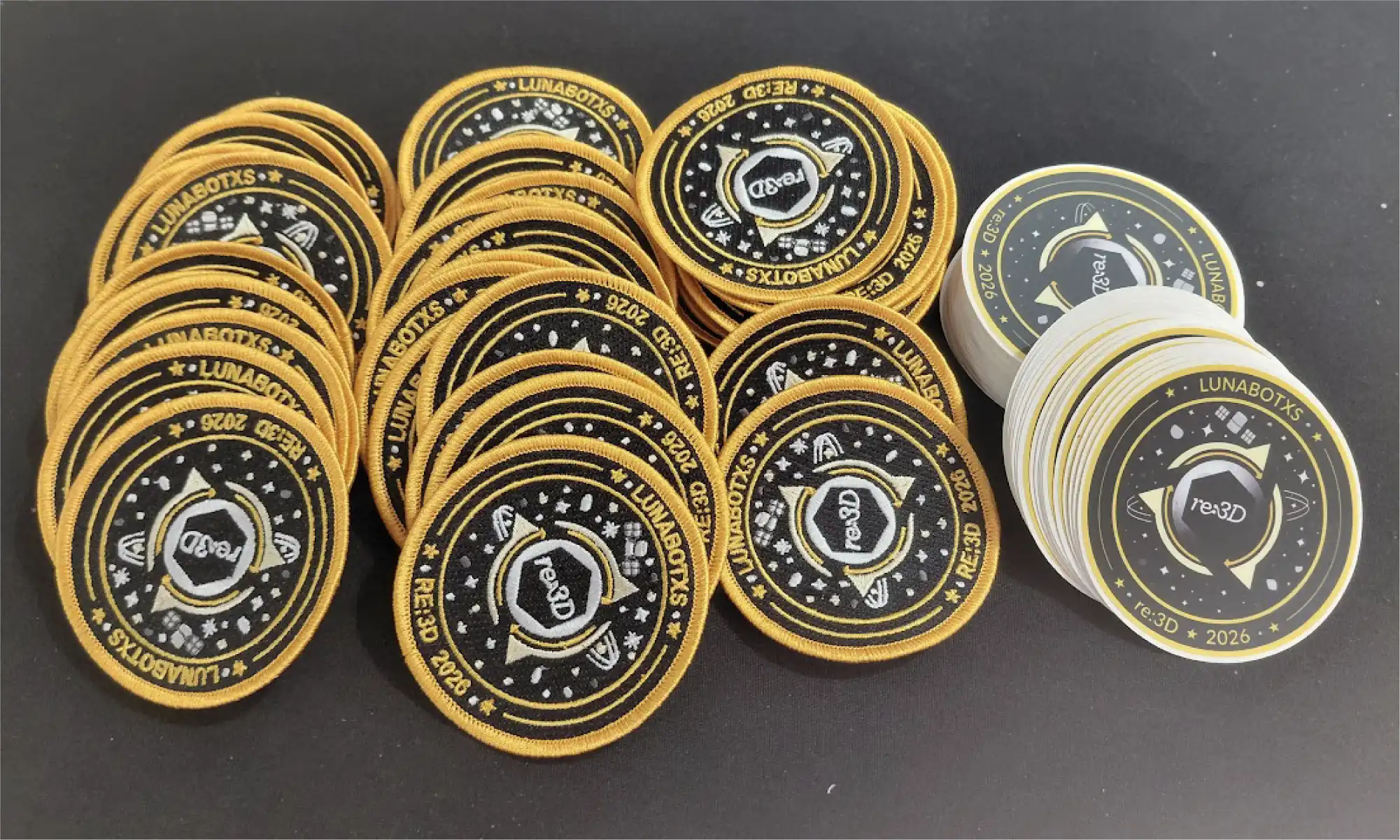
What’s next for the LunaBotXS? As an open-source and open-science company, re:3D remains dedicated to sharing our learnings with the additive manufacturing and space communities. We love #supercoolNASAstuff and look forward to scaling this technology for future in-space opportunities and terrestrial recycling applications. If you want more information about the LunaBotXS, know of opportunities to continue developing this or related technologies, or just want a free patch or sticker celebrating the team’s work, please reach out to us at info@re3d.org.
Ad Astra, and Happy Printing!
End Notes
Patrick Ferrell
Blog Post Author